One of the first and most impactful decisions you’ll make when planning your wedding is choosing your color palette. Your colors set the tone, define the mood, and help guide everything from floral arrangements to bridesmaid dresses, linens, signage, and more. With so many gorgeous options, how do you decide what’s just right for your big day?
At MME, we believe your wedding should be a reflection of your personal style, the season, and the setting. Here’s our guide to selecting a color scheme (and complementary patterns) that will bring your wedding vision to life.
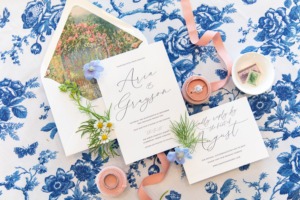
1. Start with the Setting
Take inspiration from your venue and surroundings. Is your celebration in a romantic vineyard, a coastal retreat, or a classic ballroom? The natural colors, architecture, and ambiance of your location can help guide your palette.
-
Outdoor weddings pair beautifully with organic tones like sage green, soft blush, or dusty blue.
-
Formal indoor spaces often call for richer hues like navy, emerald, black, or gold.
-
Beach or destination weddings feel fresh with whites, sand tones, and pops of turquoise or coral.
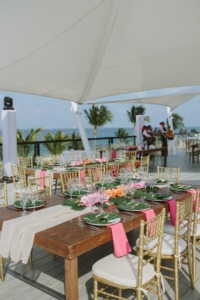
2. Consider the Season
Seasonal colors not only look natural but also enhance the overall feel of your celebration.
-
Spring: Pastels, soft florals, and airy neutrals (think lavender, pale peach, and mint).
-
Summer: Bold and bright tones—fuchsia, cobalt blue, sunny yellow, or tropical greens.
-
Fall: Warm earthy colors such as burnt orange, burgundy, mustard, and olive.
- Winter: Rich jewel tones like deep red, plum, forest green, or icy palettes with silver, white, and midnight blue.
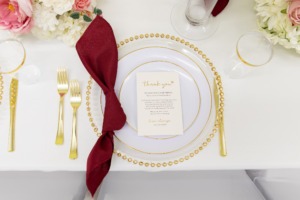
3. Choose a Primary Color and Build Around It
Start with one main color that speaks to you. Then, add one or two complementary shades and a few neutrals to balance the palette. You’ll want contrast and cohesion—nothing too flat or overly busy.
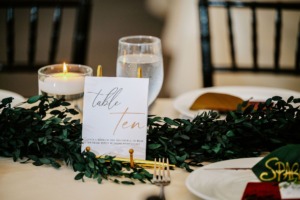
4. Incorporate Patterns with Intention
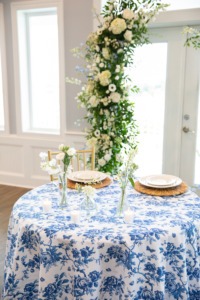
Patterns add texture and personality but should be used thoughtfully. Florals, stripes, damasks, or watercolor prints can enhance the aesthetic when used sparingly.
-
Use patterns in linens, stationery, or bridesmaid dresses.
-
Keep balance in mind—if your bridesmaid dresses feature a bold floral, keep table settings more minimal.
-
Mix patterns in a cohesive color family for visual interest without chaos.
5. Think About the Mood You Want to Create
Colors evoke emotion. Soft tones feel romantic and whimsical, while deep or dark hues feel dramatic and sophisticated. Bright colors tend to feel joyful and playful.
Ask yourself:
Do you want a dreamy garden romance? A chic black-tie affair? A rustic bohemian vibe?
Let that vision guide your choices.
6. Draw from What You Love
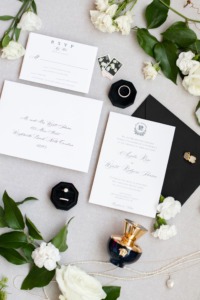
Look at your home décor, your wardrobe, or even your Pinterest boards. Chances are, there’s a common thread in the colors and styles you gravitate toward. Your wedding should feel like an extension of your personality, not a trend you feel pressured to follow.
7. Test Your Palette Together
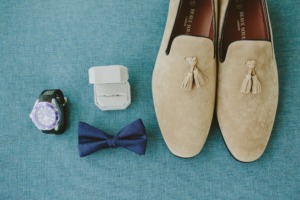
Gather swatches, floral examples, or a digital mood board to see how your chosen shades work together. Lighting, material textures, and scale all matter. Something that looks good on a screen may look very different in person. It’s best to see it all put together before you make any final decisions or purchases.
Final Thoughts
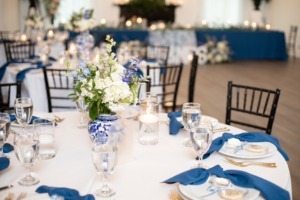
The best color schemes aren’t necessarily the most popular—they’re the ones that feel right for you. Whether you dream of timeless ivory and gold or a bold mix of emerald and magenta, your wedding colors should reflect your love story.
Need help narrowing it down? At MME, we specialize in crafting weddings that are as unique and personal as the couples we serve. Let’s bring your vision to life with a palette that’s perfect from ceremony to send-off.