As we approach the end of daylight saving time, many late-fall couples are finalizing their wedding day details. And one small but important factor can make a big difference: the time change.
When clocks “fall back” an hour, the sunset happens earlier, which can have a surprising impact on your wedding timeline, lighting, and even the overall feel of your day. Here’s what you should know and how to adjust so your celebration runs seamlessly.
1. Know Your Sunset Time
The first step is simple but essential: look up the exact sunset time for your wedding date and location. Once daylight saving time ends, the sun may set as early as 4:30 or 5:00 PM — meaning natural light disappears quickly.
If your ceremony, portraits, or outdoor moments are planned for late afternoon, you’ll want to shift them earlier to take advantage of that golden-hour glow.
Planner Tip: Plan to finish couple and family portraits at least 30 minutes before sunset. That gives you a cushion in case things run behind.

2. Consider an Earlier Ceremony Start
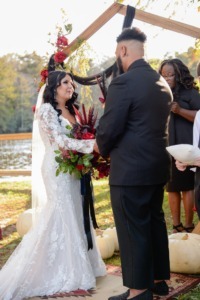
If your ceremony is outdoors or relies on natural light, even a 30-minute adjustment can make a big difference.
For example, if you originally planned to start at 5:00 PM, moving it to 4:00 or 4:30 ensures your photographer captures every emotional moment before the sun dips too low.
And don’t worry — guests rarely mind a slightly earlier start, especially if it means they can enjoy cocktail hour and dinner in cozy, candlelit ambiance afterward!
3. Adjust Photo Timelines Accordingly
Your photography timeline is often the most affected by a time change. Work closely with your planner and photographer to:
-
Move your first look earlier in the day, if needed
-
Plan bridal party photos before the ceremony
-
Capture newlywed portraits during the best lighting window
If you’re dreaming of sunset photos, ask your planner to build in a short “sunset break” between your ceremony and reception.

4. Lean Into the Seasonal Mood
The early sunset can actually enhance your celebration’s atmosphere! Think warm candlelight, twinkling string lights, or a cozy firepit after dark. Your planner can help you adjust lighting and décor so the shift in timing feels intentional and romantic rather than rushed.

5. Communicate the Adjusted Schedule
Once your timeline is finalized, make sure vendors, family, and the wedding party all have the updated version. Small adjustments — like starting hair and makeup earlier — can have a ripple effect, so it’s best to share updates early.

In short, don’t let the clock catch you off guard. The end of daylight saving time can sneak up on fall couples, but with a few strategic shifts, you’ll stay perfectly on schedule — and your photos, ceremony, and reception lighting will all shine beautifully. As your planner, my goal is to make sure every detail (and every ray of light!) works in your favor. With a little advance planning, your wedding day will feel effortless, no matter what time the sun sets.